Unexpected plumbing concerns can interrupt important household routines, but timely care can help restore comfort and maintain dependable water systems. Emergency plumbing support focuses on identifying concerns quickly, protecting essential fixtures, and keeping household systems working smoothly. With practical attention and organized service, homeowners can address urgent situations while supporting long-term plumbing performance.
Quick Attention For Urgent Plumbing Needs
Fast action can make emergency plumbing care more effective and organized. A professional inspection can help identify the source of a concern and determine suitable next steps.
- Rapid issue identification: Early inspection helps locate the affected area efficiently.
- Focused troubleshooting: Clear observations support practical repair decisions.
- Fixture protection: Timely attention helps maintain sinks, toilets, showers, and other fixtures.
- Water flow management: Proper handling supports steady and reliable household water use.
- Organized service: A structured approach keeps emergency work efficient and purposeful.
Protecting Essential Household Systems
Household plumbing includes several connected systems that support everyday activities. Giving each component appropriate attention can encourage reliable performance.
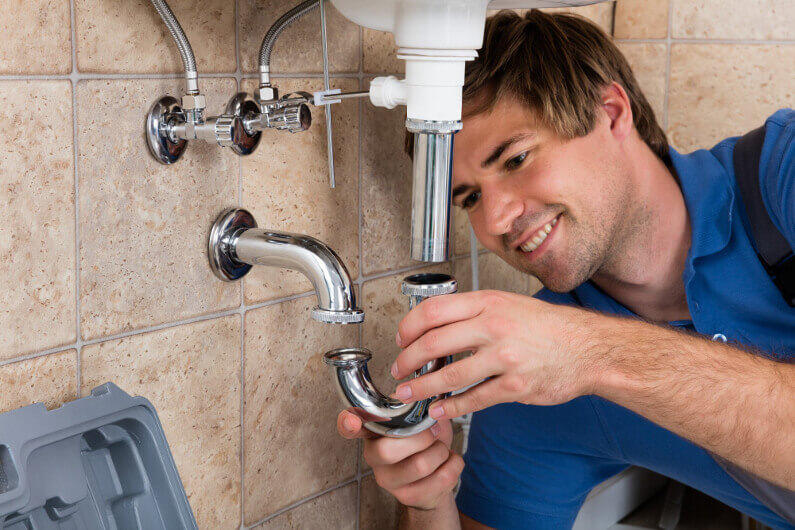
- Kitchen plumbing: Well-maintained supply and drainage lines support convenient food preparation and cleaning.
- Bathroom systems: Proper care helps showers, sinks, and toilets operate comfortably.
- Water supply lines: Regular attention supports consistent water delivery throughout the home.
- Drainage connections: Clear drainage pathways help maintain smooth water movement.
- Water heaters: Proper inspection supports dependable hot water availability.
- Pipe connections: Secure connections contribute to efficient plumbing operation.
Professional Support During Plumbing Emergencies
Experienced assistance can provide valuable guidance when an unexpected plumbing concern requires immediate attention. For households seeking dependable solutions, paducah plumbing services can provide organized support for urgent plumbing needs while keeping household priorities in focus.
- Detailed assessment: Careful inspection helps establish the condition of affected plumbing components.
- Practical recommendations: Clear guidance helps homeowners understand suitable repair options.
- Efficient repairs: Focused work can help restore important household functions.
- System awareness: Examining connected components can support a more complete solution.
- Preventive guidance: Professional advice can help reduce the chance of recurring concerns.
Building Long-Term Plumbing Confidence
Emergency care can also create an opportunity to strengthen overall plumbing maintenance. After an urgent concern is addressed, simple maintenance practices can support continued reliability.
- Routine inspections: Periodic checks can reveal developing concerns early.
- Drain care: Consistent maintenance encourages smooth drainage performance.
- Leak awareness: Monitoring visible plumbing areas supports early attention to unusual changes.
- Fixture maintenance: Regular care helps preserve efficient fixture operation.
- Pipe monitoring: Observing household plumbing supports timely professional assessment.
- Maintenance planning: A clear schedule makes ongoing plumbing care easier to manage.
Reliable Care For Household Comfort
Emergency plumbing care offers an organized way to respond to urgent concerns while protecting essential household systems. Prompt assessment, professional attention, and consistent maintenance can work together to support dependable water flow, efficient drainage, and comfortable daily routines. With a proactive approach, homeowners can maintain greater confidence in their plumbing systems and encourage lasting household convenience.